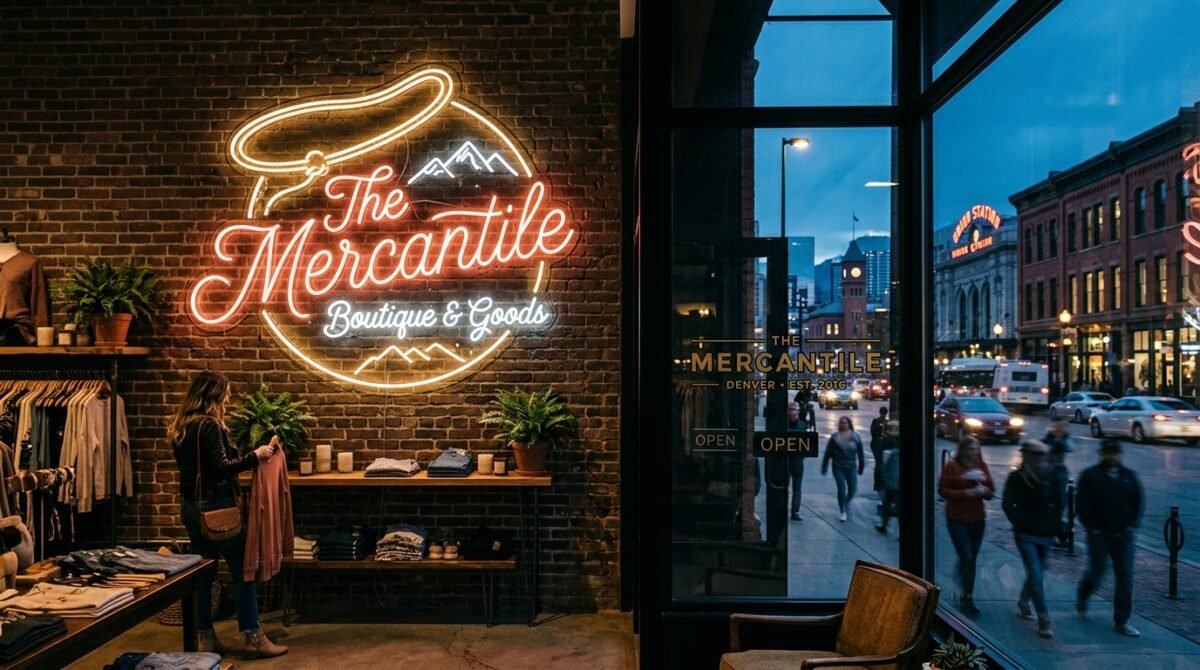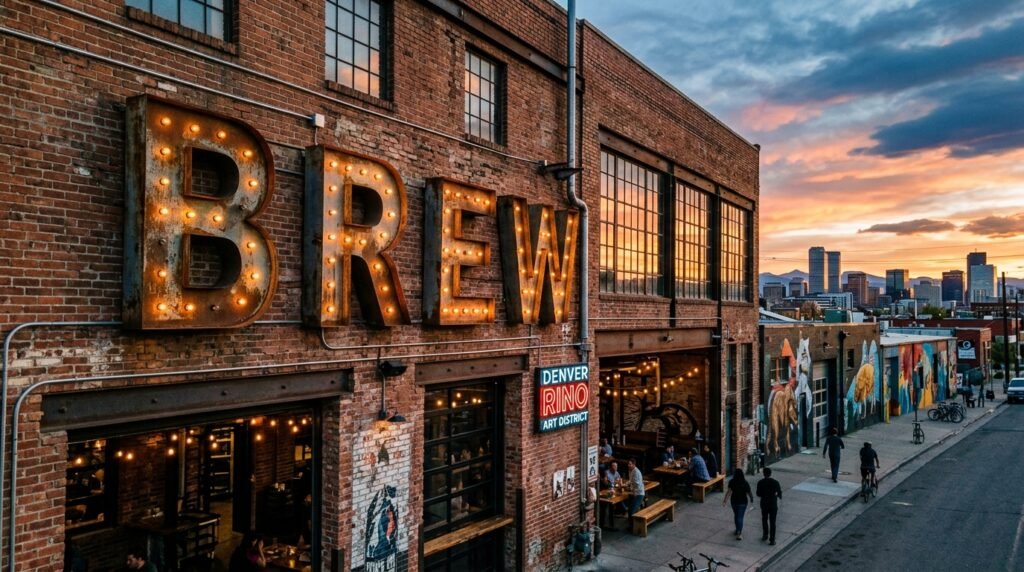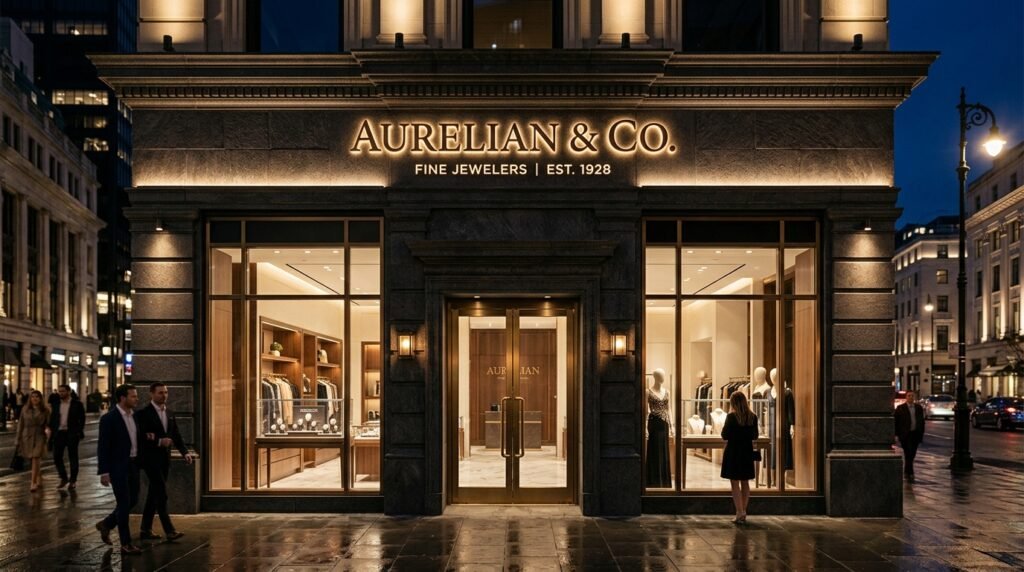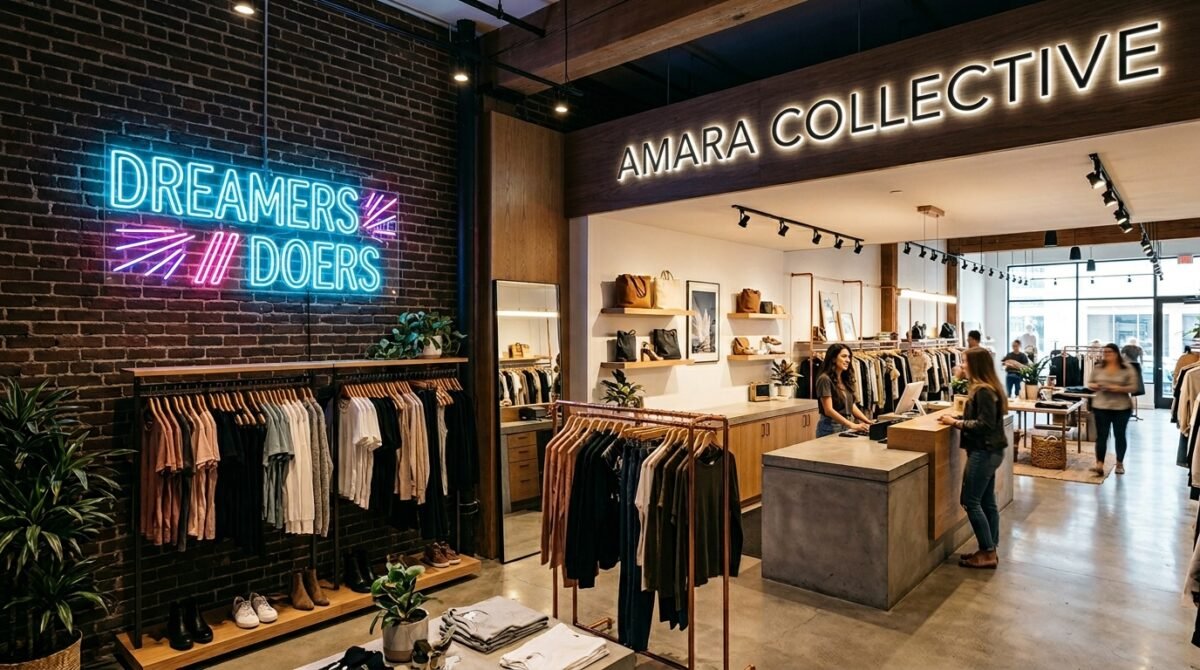
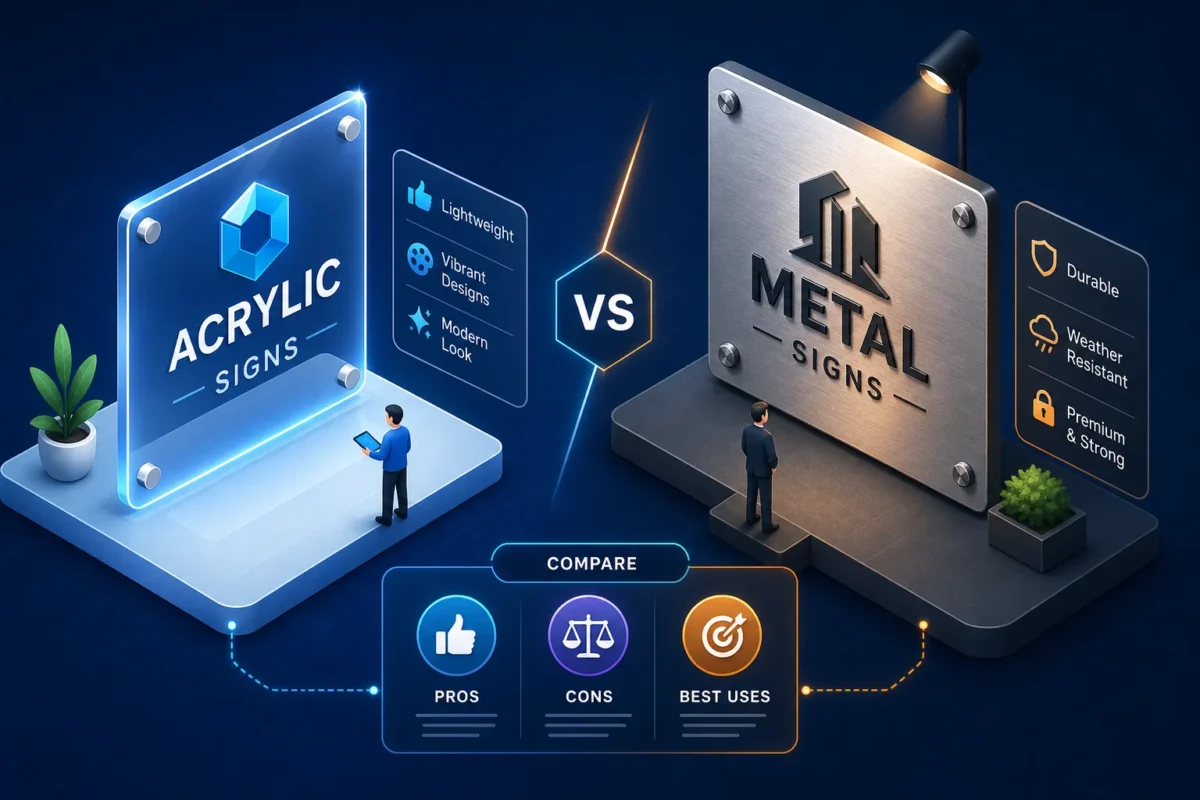
When comparing acrylic signs vs metal signs for business, the right material depends on where your sign will live, how long you need it to last, and what your brand needs to communicate visually. You’re getting quotes for a new storefront sign, and two material options keep coming up, acrylic and metal. Both look sharp in photos. Both come in custom sizes. And nobody at the sign shop is giving you a straight answer on which one actually fits your brand, your building, and your budget.
At Sign and Glow, we fabricate both materials daily for businesses across the U.S., and this question comes up on almost every project. The honest answer is that neither material wins outright. This guide breaks down appearance, durability, cost, installation requirements, and industry fit so you can make a confident call before production begins.
Quick comparison: acrylic vs metal signs for business
| Factor | Acrylic | Metal (Aluminum / Dibond) |
|---|---|---|
| Best environment | Indoor / covered exterior | Outdoor / weather-exposed |
| Typical cost per sq ft | $18, $35 | $12, $50+ |
| Outdoor lifespan | 7, 12 years (cast, UV-stabilized) | 10, 20+ years (powder-coated) |
| Weight (12×18 in) | ~4.4 lbs | ~1.6, 3 lbs (flat panel) |
| Backlighting | Excellent | Limited |
| Faux finish options | Frosted, glossy, matte, clear | Brushed, anodized, powder-coated |
| Installation complexity | Lower (interior) | Higher (exterior / structural) |
What each material actually looks like on a wall
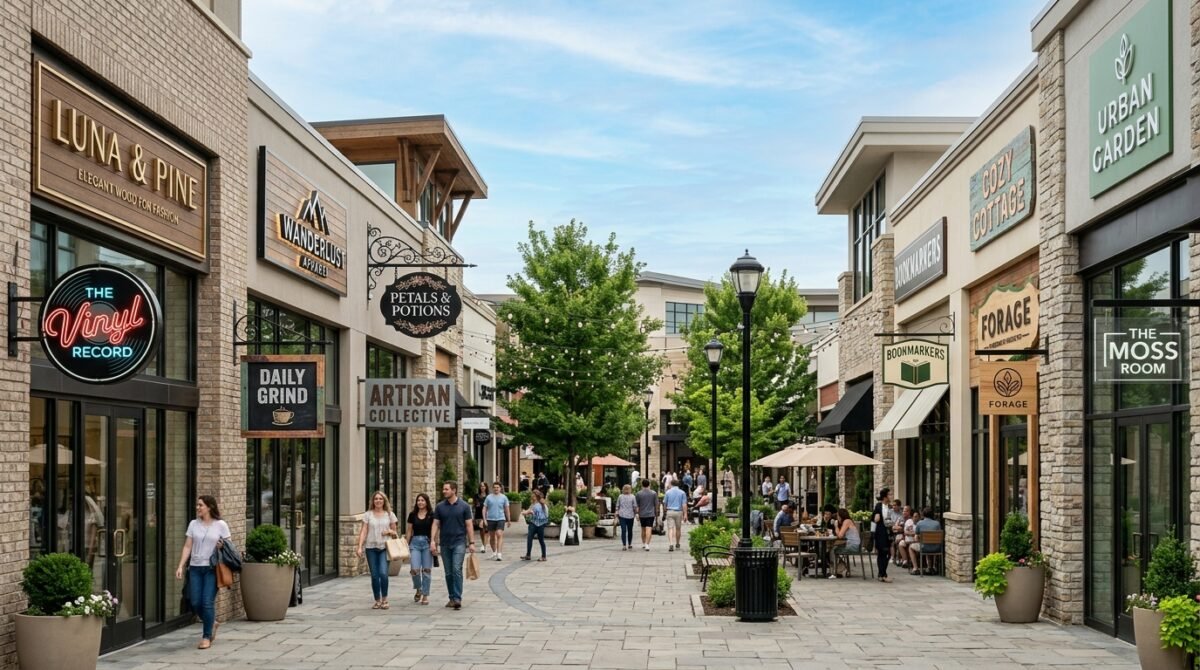
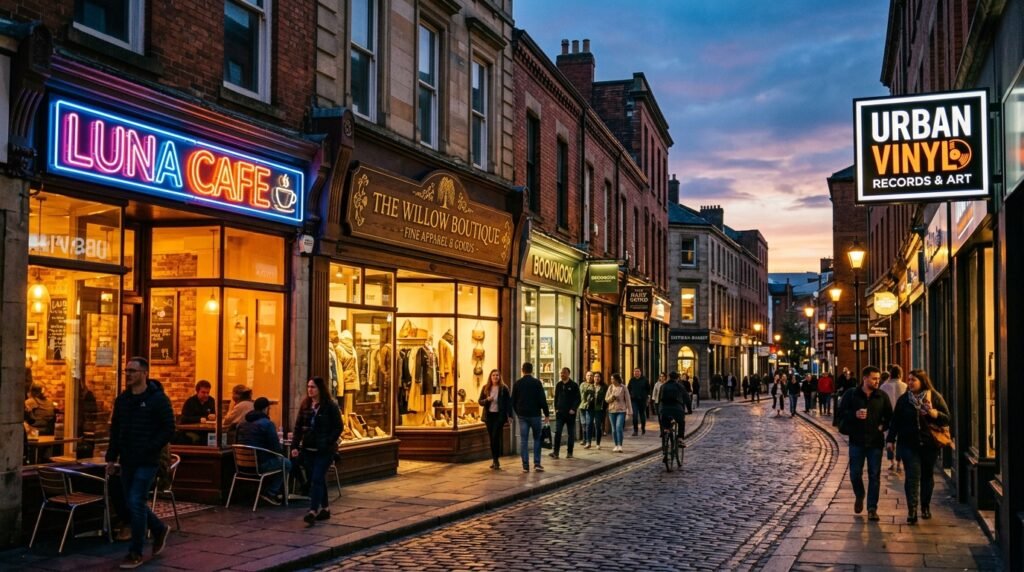
Before comparing specs, understand what each material communicates visually. The way a sign reads from 30 feet away shapes how customers perceive your business before they ever walk through the door, and that first impression is shaped entirely by material choice.
How acrylic signals a modern, light-forward brand
Acrylic’s high-gloss, glass-like finish reads as clean, contemporary, and polished. It is uniquely well-suited to edge-lit and backlit applications because of its light-transmission and optical clarity. Colors reproduce with high-saturation output on acrylic storefront signs, and the material is available in clear, frosted, glossy, and matte sheets, each with a distinct visual personality that suits everything from wellness studios to modern retail boutiques and tech-forward offices.
What metal communicates that acrylic can’t replicate
Brushed aluminum and powder-coated metal read as established, grounded, and authoritative. The physical weight and surface texture of metal add a depth that flat printing simply cannot fake. Faux-metal finishes can mimic the look at a distance, but real metal typically provides greater depth and texture on close inspection. Law offices, financial firms, premium restaurants, and exterior monument signs commonly specify metal precisely because that sense of permanence is part of the brand message.
Acrylic signs vs metal signs for business: outdoor durability compared
For any sign that lives outside year-round, material durability is the single most important factor affecting long-term ROI. Getting this wrong means replacing a sign years before you planned to.
Metal sign durability in harsh climates
Aluminum is highly resistant to freeze-thaw cycles, acid rain, road salt, and extreme heat when properly finished with powder coat or anodized treatment, without the warping, rusting, or delaminating that affects lesser materials. Those finishes extend outdoor lifespan to 10 to 20-plus years in commercial use, and UV exposure typically degrades only the print or paint layer, not the metal itself. Dibond (aluminum composite material) is a particularly popular option for flat outdoor panels that need structural rigidity at a lighter weight, holding up in demanding environments for a decade or more with minimal maintenance.
Where acrylic holds up outdoors and where it doesn’t
Cast acrylic performs meaningfully better than extruded acrylic in outdoor conditions, lasting 7 to 12 years under the right circumstances. The problem is prolonged direct sun: yellowing, micro-cracking, and color fade accelerate significantly in high-UV states like Arizona, Nevada, and Florida, where standard grades can show visible degradation within three to five years. Acrylic works well in covered entryways, shaded facades, or mild climates when paired with UV-stabilized inks and protective laminates. Even with those precautions, backlit acrylic sign faces often need replacement at the 8 to 10-year mark.
Cost breakdown and finish options: what you’re actually paying for
Material choice directly affects your budget, but not always in the direction people expect. Understanding the cost structure before you get quotes prevents sticker shock and helps you compare proposals accurately.
Sign cost per square foot for each material
Standard acrylic signs range from $18 to $35 per square foot, while aluminum flat panels typically run $12 to $25 per square foot. At first glance, that makes metal the more economical option for flat signage. But custom CNC-cut or dimensional metal signs push costs to $15 to $50-plus per square foot due to fabrication labor, narrowing the gap considerably. Total acrylic project costs typically land between $200 and $2,000; comparable metal projects often run $500 to $5,000 for fully finished, fabricated pieces.
Finishes exclusive to each material
Some finishes are simply not available across both materials, and that affects the final look in ways that matter. Metal is the preferred choice for brushed, anodized, and powder-coated finishes, including custom Pantone-matched colors and two-tone treatments. Acrylic is the most common material for frosted sheets, edge-lit clarity, second-surface printing, and backlit face applications, though some backlit systems can be constructed differently using other substrates. Both materials accept UV direct printing and vinyl overlays, but the base surface texture changes the final appearance significantly. Powder coat on metal also provides far superior UV and weather resistance compared to acrylic laminates in outdoor settings.
Installation, weight, and what your walls need to handle
Material weight affects more than shipping costs. It determines the hardware required, the structural demands on your building, and whether you need a licensed installer on-site before your sign goes up.
Weight differences and mounting hardware
A 12 by 18-inch acrylic panel weighs roughly 4.4 pounds, while a comparable aluminum flat panel runs closer to 1.6 to 3 pounds, though large dimensional metal letters are substantially heavier. Acrylic can often be flush-mounted or adhesive-secured for smaller formats, with standoff mounts used for larger pieces. Metal signs, especially large outdoor channel letters, require stud mounting into structural blocking. Hollow drywall cannot handle the load without toggle anchors, and skipping that step risks a sign that pulls away from the wall.
When professional installation becomes necessary
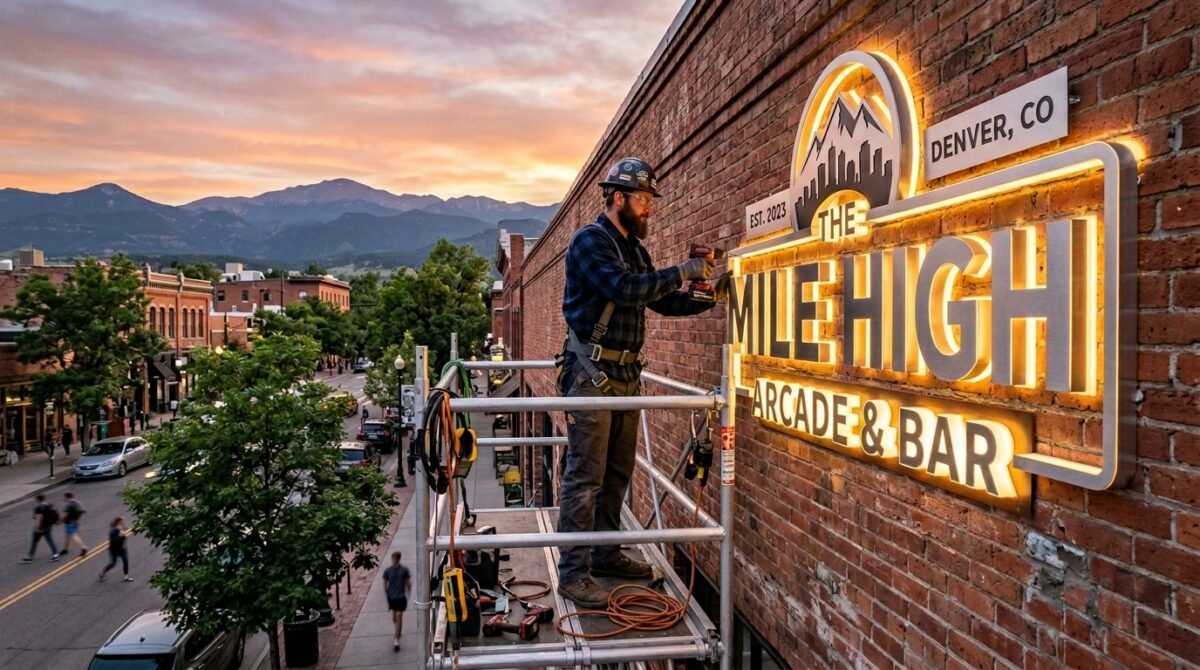
Large exterior metal signs and any illuminated options almost always require a licensed installer, particularly when electrical connections are involved. Acrylic works faster for interior installs: basic screws, threaded studs with quarter-inch to half-inch spacers, or raceway systems handle most formats without structural reinforcement. For either material, stud mounting with spacers is the industry-standard recommendation. It delivers a clean, floating look and a secure hold on any wall substrate, regardless of whether the sign is headed for a glass lobby wall or a brick exterior facade.
Which acrylic or metal sign is better for your business type?
The clearest way to choose between these two materials is to look at where the sign will actually live and what your industry communicates to customers through material choice.
Indoor environments: acrylic takes the lead
Reception areas, retail interiors, restaurant feature walls, and lobby directories are natural fits for acrylic. The light-forward finish and accurate color reproduction perform best under controlled interior lighting, and the lower weight means faster installation without structural reinforcement, which matters in leased spaces with landlord restrictions. Edge-lit and backlit acrylic panels work particularly well for brands that want a premium interior presence on a mid-range budget.
Outdoor storefronts and commercial exteriors: metal’s home territory
Exterior monument signs, building identification signage, and fascia-mounted letters in high-sun or weather-exposed locations should default to aluminum or Dibond for long-term performance. Metal’s resistance to temperature swings, moisture, and UV degradation makes it the reliable choice for year-round outdoor commercial signage. For businesses in northern states dealing with harsh winters or southern states absorbing intense UV year-round, metal sign durability is a genuine long-term cost advantage: you replace it far less often.
Industries and use cases at a glance
- Acrylic fits well: Salons, spas, tech startups, modern retail, healthcare clinics, hospitality lobbies, and office interiors
- Metal fits well: Law firms, financial advisors, steakhouses, breweries, auto dealerships, commercial property facades, and outdoor monument signage
- Mixed applications: Acrylic for interior feature walls combined with metal for exterior identification is a common and effective approach for businesses that want optimal performance at each location
How to compare both options before you commit to production
Reading an acrylic vs metal sign comparison is useful groundwork. Actually seeing your logo rendered in brushed aluminum versus gloss acrylic on your specific storefront wall is how confident decisions get made.
Why seeing your logo in both materials changes everything
Many businesses that get stuck on this choice are working from generic material samples or stock photos pulled from a catalog, not from a preview built around their actual brand colors, proportions, and building environment. That gap between a sample card and your real sign is where regret on custom fabricated pieces comes from. A free 3D mockup lets you compare both finishes side by side before any production begins, greatly reducing uncertainty and giving you something concrete to approve.
Sign and Glow fabricates both to the same premium standard
Sign and Glow builds acrylic and metal signs entirely to order, with no off-the-shelf formats and no material compromises. Every project typically starts with a free 3D mockup so clients can see how each material works with their logo before anything goes into production. A dedicated project manager handles material guidance, finish selection, permitting questions, and delivery logistics across all 50 states. Whether acrylic makes sense for your interior or metal is the right call for your exterior, fabrication quality stays consistent throughout. Sign and Glow typically quotes 5 to 7 business days for standard projects, subject to size and permitting requirements.
Acrylic vs metal signs for business: making the final call
The choice comes down to two clear factors: environment and budget. Acrylic excels in indoor settings with modern aesthetics, fast installation, and strong visual impact at a lower total cost. Metal earns its place outdoors with superior durability, finish depth, and a longer service life that lowers your replacement cost over time.
Let your environment and budget drive this choice more than personal preference. The numbers are clear enough to make it a practical decision, not just an aesthetic one. A sign that looks great on Day 1 but degrades in three years costs far more in the long run than the right material chosen upfront.
For most businesses, the answer to acrylic signs vs metal signs comes down to location: indoor and covered applications favor acrylic; exposed exteriors favor metal. The fastest way to settle this for your specific brand is to see both options rendered on your actual signage before you order. Request your free 3D mockup from Sign and Glow and get a side-by-side look at how each material works with your logo, your colors, and your location before a single dollar goes into production.